Quarrying on forestry sites
Quarrying provides the materials for roads, tracks, landings, and river crossings at forestry sites. This page explains what forestry quarrying involves and what to think about when planning it.
This page provides information on some of the things you need to consider when planning forestry quarrying. It does not cover regulatory requirements or technical information about quarrying.
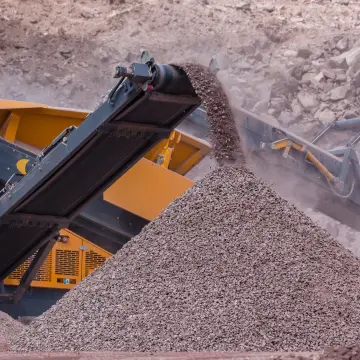
Quarrying is the extraction of rock, gravel, or sand to make roads, tracks, landings, and river crossings at forestry sites. The materials from quarrying help build and maintain safe and durable infrastructure to and within forestry blocks.
However, quarrying alters and removes land at a significant scale. Quarrying activities need to balance operational needs and environmental protection.
Well-planned quarrying on or near the forestry site:
Poorly planned quarrying can lead to:
Forestry quarries are usually small and temporary. They can include:
Forestry quarrying is linked with earthworks, roading, and harvesting activities. Where and how you quarry influences drainage, sediment risk, and site stability.

Before you begin, decide if a quarry on your land is the right option.
Estimate how much material you’ll need to build your road network. This includes access to the forest, as well as infrastructure within the block.
Next, look at the geology on your land. Not all types of rock and soil are suitable for road construction. Some materials might be fine to use as is. Others will need crushing and sorting. You might also need to check how much useable material is available.
Compare the cost and effort of establishing your own quarry with sourcing material from an established supplier. In some cases, it might be cheaper and simpler to buy all materials. In others, a mixed approach might work best. You could quarry material from your land for lower road layers, like the sub-base. Then bring in higher-quality aggregate for the road surface.
If you do decide to establish a quarry, there’s a lot to think about. You need to:
Quarrying exposes soil and rock, which can wash away in rain events. Large amounts of sediment in waterways decreases water quality and harms environments downstream.
A forestry quarry erosion and sediment management plan sets out how to stabilise land, keep sediment on site, and protect water quality. A good plan will:
The plan should be a living document that’s updated as quarrying work progresses. It should detail who is responsible for managing the forestry quarry operation, including inspections and maintenance.
Forestry quarrying needs careful planning, the right machinery, and compliance with the National Environmental Standards for Commercial Forestry (NES-CF).
Quarrying has strict health and safety requirements. This includes the need to engage a competent quarry manager to oversee the work and keep people safe. Because of these responsibilities, you’ll most likely need to hire an experienced contractor.
To find a suitable quarry contractor, you can ask your forest manager or consultant. You can also talk to other landowners who have used a quarrying contractor to manage their quarry.
When choosing a contractor, look at their experience and ask for references. Make sure they explain how they will meet the NES-CF and health and safety obligations. It’s a good idea to get several quotes, so you can compare prices and services.

Quarrying involves excavating large amounts of ground. This can create environmental risks if not well managed.
Common risks include:
These risks are like those associated with earthworks. They’re influenced by site selection, scale, and timing.
Forestry quarrying usually occurs:
Because pine forests are usually harvested aged 25 to 30 years, you might open a quarry before planting, then reopen it before harvest. A good long-term plan is essential.
You need to:
The NES-CF sets out time requirements for when you must stabilise overburden and deactivated quarries. Your plan needs to include a timeline for stabilising these areas after the project finishes.
You should stabilise and restore areas of the quarry site as work progresses. Don’t leave clean-up to the end of the project. There are 3 aspects to consider: deposition, stabilisation, and restoration.
You should deposit overburden, spoil and other loose material on stable ground. Keeping the deposited material in a small, controlled area makes it easier to manage and restore later.
Make sure material isn’t deposited on steep slopes or areas where rain can carry sediment into waterways.
Stabilisation should start as soon as possible, not at the end of the quarry project. This includes:
The main goal is to stop water from pooling or building up speed over bare ground, which causes erosion.
Restoration focuses on returning the quarry site to a safe and visually suitable condition. This often means:
By restoring areas as work moves on, you’ll reduce the impact of the quarry and spread effort over time.
The New Zealand Forest Road Engineering Manual includes some terms you may come across when planning quarrying.
Terms used in this article include:
As well as the NZ Forest Road Engineering Manual above, the New Zealand Forest Owners Association provides forest practice guides for earthworks. These cover similar considerations to quarrying.
Worksafe New Zealand provides industry guidance on safety at quarry sites.
Christchurch City Council provides a guide on rehabilitating quarries.
The Ministry for Primary Industries (MPI) erosion processes guide will help you find out the types of erosion risk on your property.
Forestry quarrying is regulated under the NES-CF.
This page does not explain regulatory requirements. For detailed rules and obligations, see the forestry regulations information on the MPI website.