Earthworks on forestry sites
Earthworks help build the infrastructure needed for forestry sites, like roads, landings, and tracks. This page explains what earthworks involve and what to think about when planning them.
This page includes some of the things you’ll need to consider when planning earthworks. It does not cover any regulatory requirements or technical information about earthworks.
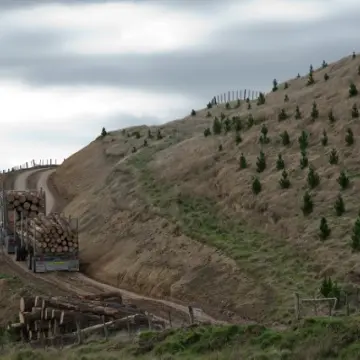
Earthworks are the foundation of a successful forestry project. They create the roads, tracks, and landings that give you access to your site for planting, maintenance, and harvesting. Well-planned earthworks:
Poorly planned earthworks can lead to erosion, sediment in waterways, and expensive repairs. That’s why it’s important to plan them carefully and get expert help.
Earthworks in forestry involves altering the surface of the land to build infrastructure for a forestry site. This means moving, depositing, or removing earth, soil, clay, sand or rock.
When it comes to forestry, earthworks might include:
Watch a video about forestry earthworks:

Earthworks help to support other forestry activities that happen during the life cycle of a commercial forest. For example, earthworks are used to develop a road and track network so you can access the block to plant, prune, thin and harvest the trees.
If you own, or are planning to establish, a forestry block on your land, you need to think about earthworks at the start of your project. Planning earthworks is essential, and it shouldn’t be done in isolation from other activities on your site.
Having an earthworks management plan can save time, reduce costs, and help protect the environment.
If you are harvesting your trees, your earthworks management plan should be informed by your harvesting plan and both of these need to be tailored to your site and kept up to date.
Your plan should include:
A site map should be part of your plan. A map is a good way to see how you’ll manage site access.
Your site map should include:
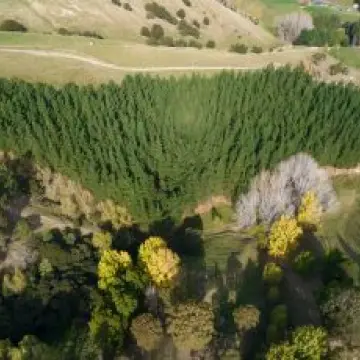
You might need to hire someone with experience to plan the earthworks for your site. They’ll consider things like:
Once an operational plan is in place, you may need an earthworks contractor to carry out the plan.
Learn more about earthworks planning and design.
Earthworks should be undertaken by a qualified person.
To find an earthworks contractor, you could:
When hiring an earthworks contractor check their experience, ask for references and get some quotes to compare your options.
Earthworks activities are essential for access and harvesting on forestry sites. However, they can pose risks to soil, water, and ecosystems if not managed carefully.
Moving and exposing soil increases the risk of erosion and sediment moving and entering waterways. It can also lead to unstable earthworks. Planning for earthworks is the best way to reduce these risks.
Read about some of the risks involved with earthworks.
The erosion processes guide will help you find out the types of erosion risk on your property and what they mean.
Water is one of the biggest challenges in earthworks. Unmanaged water can destroy your earthworks. It also carries sediment, which can damage waterways.
Good water management starts with understanding your site. Factors like geology, slope, rainfall, and catchment size all influence how many controls you’ll need. Steeper slopes and wetter climates often need more management controls.
Your earthworks management plan will help you identify risks and find ways to manage them.
Your earthworks contractor will offer guidance on the best time to do earthworks. There are a few things to think about:
Earthworks are site-specific, each location has unique characteristics and risks. Planning and risk management practices should be tailored to the site.
Understanding the site's history will also help you identify any site-specific issues. For example, springs or drained swamps on the site can increase risk and should be considered during planning. You may also come across issues as you’re working on the site. In this case, you’ll need to tailor your plan accordingly.

Doing your earthworks in summer can help avoid common issues like:
Doing the work in summer usually means drier conditions and better access. It can also reduce some of the environmental risks of earthworks. If weather conditions are poor when you plan to carry out earthworks, consider rescheduling.
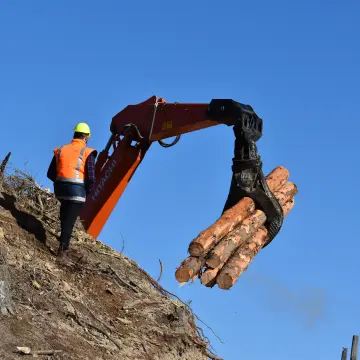
Decommissioning earthworks means removing or stabilising earthworks when they’re no longer needed. This is an important step because how you leave the site can shape its future use.
A good decommissioning job means:
You might also decide to decommission earthworks throughout your forestry project, rather than just at the end. For example, you may decommission part of a track if it’s not going to be in use for a few years.
The New Zealand forest road engineering manual includes some terms you may come across when planning or carrying out earthworks in forestry.
The New Zealand Forest Owners Association have forest practice guides for earthworks.
The guide below was made for Northland, but the earthworks advice can help with forestry projects anywhere in Aotearoa.
This page does not cover any regulatory requirements for earthworks. Earthworks are a regulated activity. You’ll need to comply with the National Environmental Standards for Commercial Forestry when carrying out earthworks.