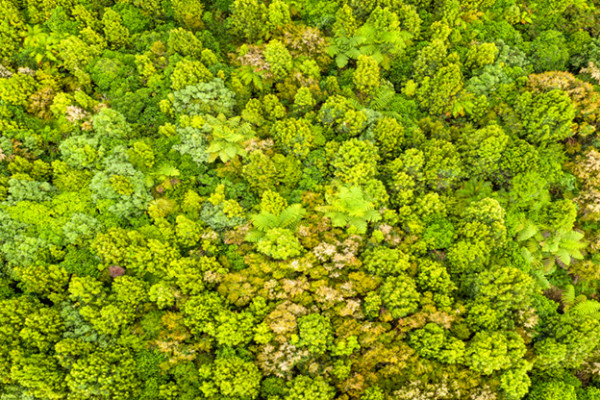
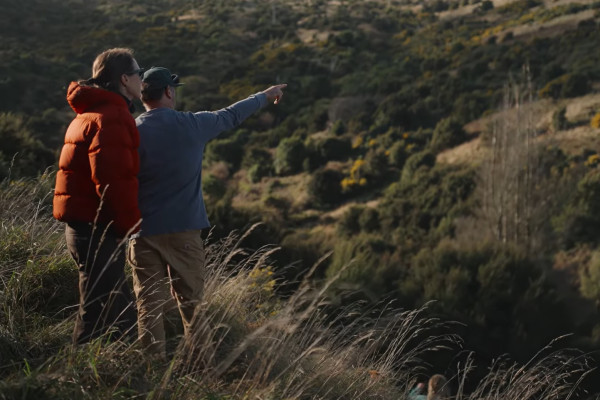
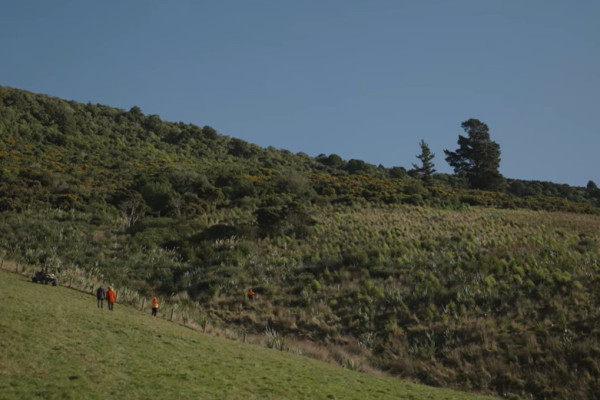
Horticultural farm LeaderBrand has planted native trees on its Canterbury land to attract beneficial insects.
Encouraging the right insects helps:
- pollinate crops
- control pests naturally
- reduce the time, effort and cost spent on herbicide spraying.
Background
LeaderBrand operates a 400-hectare farm in mid Canterbury. The farm grows fresh market produce for supermarkets, including salad leaves, broccoli, asparagus, and courgettes.
Mike Arnold is a farmer and LeaderBrand’s General Manager in the South Island. He wanted to understand how trees on farms could encourage the right insects. Beneficial insects include pollinators like native bees and hover flies, and predators that control pest insects.
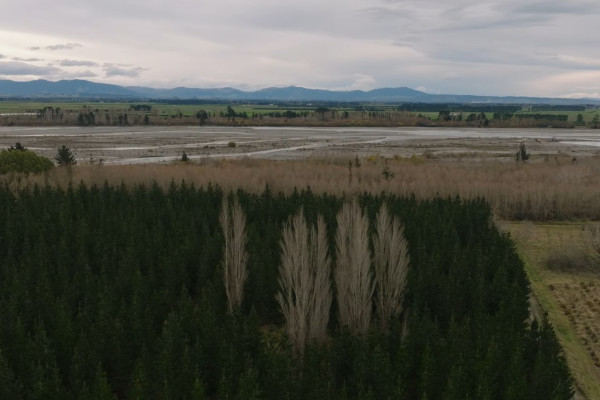
Plant and Food Research approached Mike to participate in a project called ‘Hedging Your Bets’. The project studied conifer and pine hedges around Canterbury to see which insects lived in them.
The results showed the farm’s hedges lacked biodiversity. They didn't provide habitat for insects that could help with growing.
"There were something like maybe three insects and there were no real good bugs and there were no predators, no pollinators and so on," Mike says.
Could native plants and trees help?
Mike and other farmers decided to create small, native planting areas on their farms to attract more insects. Then they worked with researchers to study the results.
The difference was significant. Mike's native planting now supports 7 types of pollinators, including native bees and hover flies.
"They [hover flies] are in fact better than [honey] bees for pollinating crops," Mike explains. "They work when it's a cold, cloudy day. They're happy to be out working and pollinating, whereas a honeybee’s a bit, ‘cold today, so prefer to stay in bed’."
“Do a small area first and learn by doing.”
Mike Arnold
The approach
Mike started small, with a planting of about a quarter of a hectare. This allowed him to learn and then refine his methods before expanding to other parts of the farm.
Planning is essential
Mike points out that careful planning and getting an understanding of the ongoing maintenance involved will give your planting project a better chance of success.
"One thing that I can't stress enough is the planning that you need to do,” Mike says. "You've got to plan the thing out – the time of the year, your ground preparation."
He recommends experimenting first to learn and reduce losses before investing in larger plantings.
“Do a small area first” and “learn by doing” he says. Importantly, get help from a restoration specialist or adviser if you're not sure.
Site preparation and establishment
The farm is in a dryland area, so Mike installed irrigation to help get the seedlings established. Irrigation was an important investment for the long-term success of the planting.
Other costs included plant guards, weed control, and trapping for pest animals. He warns these expenses add up and should be factored into planning.
Mike's current native planting covers about 4 hectares. The establishment rate is excellent, with 95–98% of plants surviving.
Choosing the right species
Working with local experts helped Mike choose native species suited to the site conditions. The planting includes diverse species that flower at different times throughout the year. This provides nectar and pollen for the insects his crops need, all year-round.
"I'd love people to come here and go, ‘hey, I want our farm to look like this’."
Mike Arnold
Integrated pest management
The native plantings support LeaderBrand's commitment to integrated pest management (IPM). IPM focuses on using cultural practices, like crop rotation and encouraging beneficial insects before resorting to chemical sprays.
"My job and our staff’s revolve around ‘how can we increase the number of beneficial insects?’ because then we know we don't have to spray," Mike says.
Having native plantings also helps with the farm’s New Zealand Good Agricultural Practice (NZGAP) compliance.
Leading the way
The investment totalled about $80,000. While the financial payback for native planting isn't immediate, Mike sees it as leading innovation in sustainable farming. His vision goes beyond his own farm. He wants to see native plantings spread across the property and throughout the district.
"I'd love people to come here and go, ‘hey, I want our farm to look like this’," he says. "My neighbours and other people in this district, I'd like this whole district to be like this."
Outcome
The project shows that native plantings can provide practical benefits for farms. The beneficial insects attracted to native trees help with pollination and pest control. They reduce the need for harmful and expensive chemical inputs.
More information
The Bioeconomy Science Institute has an article about native plants and beneficial insects.